

What Is Melanoma? A Doctor Explains What You Need to Know
When it comes to skin health in Australia, melanoma is one of the most important conversations to be having — but it’s often misunderstood.
To help simplify it, we spoke with Dr Daniel Bothma to break down what melanoma actually is, how it develops, and what role daily sun protection plays over time.
So, what is melanoma?
Melanoma is a type of skin cancer that develops from melanocytes — the cells responsible for producing pigment in the skin.
As Dr Bothma explains, it’s not just about sunburn or one-off exposure.
It’s the result of cumulative DNA damage to skin cells over time, often linked to ultraviolet (UV) radiation.
Understanding UV exposure (beyond just “sunburn”)
One of the most common misconceptions is that sun damage only happens when skin burns.
In reality, UV exposure is happening every day — even when it’s cloudy, cool, or you’re not at the beach.
There are two main types to understand:
• UVA — penetrates deeper into the skin and contributes to long-term damage and ageing
• UVB — responsible for sunburn and more immediate skin damage
Both play a role in skin cancer risk.
What the research tells us
Long-term Australian research has shown that consistent sunscreen use can make a measurable difference.
In one landmark study, participants who applied sunscreen daily experienced:
• Fewer melanomas
• Fewer new moles
• Reduced visible signs of skin ageing over time
This reinforces something simple, but powerful — consistency matters more than intensity.
Why daily habits matter more than “perfect” behaviour
One of the key takeaways from this conversation is that sun protection doesn’t need to feel complicated.
It just needs to be consistent.
Daily exposure — walking the dog, school drop-offs, sitting by a window — all adds up over time.
Building SPF into a daily routine helps remove the guesswork.
Making sun protection feel easier
For many people, sunscreen has historically felt like something reserved for beach days or holidays.
But shifting that mindset — from occasional use to everyday habit — is where the biggest long-term impact sits.
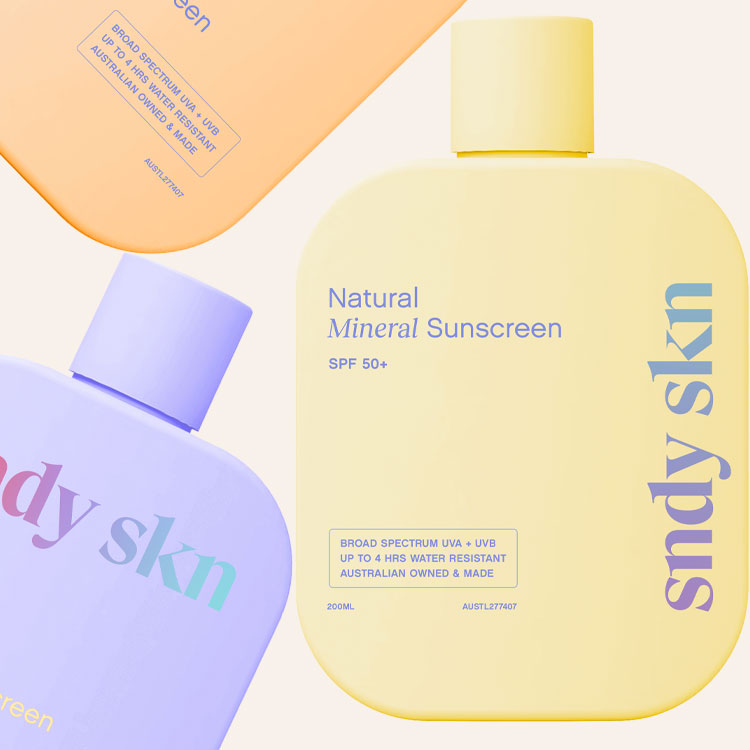
At SNDY SKN, the focus is on making that habit feel:
• Comfortable on skin
• Easy to apply
• Suitable for the whole family
• Something you actually want to use daily
Because the best sunscreen is the one that becomes part of your routine.
The takeaway
Melanoma prevention isn’t about fear or perfection.
It’s about small, consistent habits that support your skin over time.
Understanding how UV exposure works — and how to protect against it — helps make those habits feel simple, not overwhelming.
Always read the label and follow the directions for use.
This article provides general information only and is not medical advice. Speak with a healthcare professional about sun protection options suitable for your skin.